Preparing Your Furnace for Winter

The first truly cold morning is a tough time to discover your furnace isn’t ready for the season. You turn up the thermostat, wait for warm air, and realize something isn’t right.

A little preparation before winter can help you avoid that scramble. It also gives you time to ask questions, address concerns, and understand how your heating system is performing before you depend on it every day.

Some steps are simple homeowner tasks. Others belong with a trained HVAC technician. Here’s how to get started and head into colder weather with a clearer plan.

Schedule Professional Maintenance

If your furnace hasn’t been checked recently, put maintenance on your calendar.

A professional visit provides an opportunity to inspect the system, evaluate operation, and identify concerns that may not be obvious from the outside. For fuel-burning equipment, the Consumer Product Safety Commission recommends a yearly professional inspection, including associated chimneys, flues, and vents.

Ask what your appointment includes and share anything unusual you’ve noticed. A new sound, uneven heating, or repeated shutdowns can help guide the technician’s assessment.

Maintenance cannot guarantee a trouble-free winter, but it gives you useful information before small concerns become urgent repair calls.

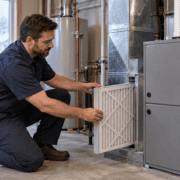
Check the Air Filter

Your filter is an easy item to forget until it becomes visibly dirty.

A clogged filter can restrict airflow, making it harder for your system to move air through your home. The Department of Energy recommends checking filters monthly, although replacement needs depend on the filter, equipment, and household conditions.

Follow your furnace manufacturer’s instructions when checking or changing it, including switching the equipment off as directed.

Use the correct size and an appropriate filter type. A more restrictive filter isn’t automatically better for your particular system.

If you aren’t sure what to buy or how often to replace it, ask your HVAC technician for guidance.

Give Air a Clear Path

Take a walk through your home and look at supply registers and return grilles.

Furniture, rugs, curtains, and storage boxes can end up covering them without anyone noticing. Rearranging a room during summer may create an airflow issue that only becomes apparent when heating season begins.

Keep these areas unobstructed and clean accessible grilles according to the manufacturer’s guidance.

If one room remains uncomfortable, mention it during your service appointment rather than assuming you simply need to turn the thermostat higher.

Uneven temperatures can have several causes, and identifying the cause is more useful than repeatedly adjusting the setting.

Test Your Thermostat Before You Need It

Choose a mild day to check that your thermostat is set to heating mode and that the furnace responds normally.

Review programmed schedules, especially if your household routine has changed. Replace batteries if your thermostat uses them and they are due for replacement.

Give the equipment time to respond according to its normal operating sequence. Repeatedly changing settings won’t help you understand a problem.

If the system doesn’t start, cycles unusually, or fails to provide heat, arrange service.

Note what happened and any displayed error message so you can give the technician a useful description.

Keep the Furnace Area Accessible

The space around your furnace should remain available for service and safe operation.

Move storage items away and follow the equipment’s required clearances. Keep combustible materials, cleaning chemicals, and other unsuitable belongings out of the immediate area.

Avoid covering openings or changing how the equipment receives air. A furnace room isn’t a good place to improvise storage solutions.

If you’re planning to finish a basement or enclose the equipment, discuss the layout with an HVAC professional first.

Your technician can explain access and ventilation needs for your system before construction makes those requirements harder to accommodate.

Check Vents and Carbon Monoxide Alarms

Fuel-burning heating equipment requires particular attention to ventilation and carbon monoxide protection.

From a safe ground-level position, look for visible obstructions around accessible outdoor intake and exhaust openings. During winter, keep those openings clear of snow without damaging the venting.

Test carbon monoxide alarms according to their instructions and check replacement dates. If an alarm sounds, move everyone outside and call 911. If you smell gas, leave without operating switches or using a phone indoors, then contact emergency services or your gas utility from outside.

Never attempt repairs to gas lines or combustion components yourself.

Make a Plan for a Comfortable Winter

Before the season gets busy, gather your furnace information, service records, and any questions you want to ask. Keep TOBIN HVAC’s contact details handy, too.

You don’t need to become a heating expert to prepare your home. A few consistent habits and professional guidance can help you make informed decisions.

Contact TOBIN HVAC to schedule furnace maintenance and discuss what your system needs before winter settles in. 

TOBIN HVAC is one of the Most Trusted Names in Commercial HVAC in the greater Denver area for over 70 years. At TOBIN HVAC, we believe that true comfort comes without compromise. Our commitment to excellence means we never cut corners—whether it’s the quality of our products, the expertise of our technicians, or the care we put into every service. Contact us today for a free quote.
Colorado HVAC Rebates: What to Know

Replacing your heating and cooling system is a major investment. For Colorado homeowners, however, the price on the estimate may not tell the whole story.

Depending on the system you choose, where you live, your utility provider, and the timing of your installation, rebates and other incentives may significantly reduce the cost of upgrading your HVAC system.

The key is knowing what’s available before you choose your equipment.

Incentive programs change frequently, and 2026 brought some important changes. Here’s what Colorado homeowners should know when planning an HVAC replacement.

Start With an Important 2026 Change

For the past several years, homeowners may have heard about federal tax credits for high-efficiency HVAC equipment. That information needs an update.

The federal Energy Efficient Home Improvement Credit, which previously provided credits for qualifying heat pumps, air conditioners, furnaces, and other improvements, is no longer available for equipment placed in service after December 31, 2025.

That doesn’t mean Colorado homeowners are out of options.

Colorado continues to have state-level heat pump incentives, and many utility providers and local programs offer additional rebates. Depending on your home and location, those incentives can still make upgrading to higher-efficiency equipment considerably more affordable.

Understand Colorado’s Heat Pump Incentive

Heat pumps have become an increasingly popular option because they can provide both heating and cooling from one system.

Colorado’s heat pump tax credit works differently from a traditional homeowner tax credit. A participating contractor registered with the Colorado Energy Office receives the tax credit and provides the homeowner with a discount on the installation. That discount should appear separately on the customer’s invoice.

For homeowners, that’s an important distinction: you generally aren’t waiting until tax season to claim the state heat pump credit yourself. The benefit is delivered through an eligible participating contractor.

The available amount varies depending on the type of heat pump being installed, and the state’s program is scheduled to continue with changing credit amounts over several years.

Check With Your Utility Provider

Your utility company may be another source of significant savings.

Colorado homeowners are served by different electric and gas utilities, and their programs can vary considerably. Rebates may depend on the type of system, equipment efficiency, heating capacity, fuel being replaced, and other requirements.

For example, Xcel Energy has offered substantial 2026 incentives for qualifying air-source and cold-climate heat pumps, with rebate amounts varying based on the specific equipment and configuration.

Other Colorado utilities and electric cooperatives have their own programs.

That’s why two homeowners installing similar HVAC systems in different communities could qualify for very different incentives.

Before purchasing equipment, determine which utility programs apply to your address and what requirements must be satisfied.

Don’t Choose Equipment First and Ask About Rebates Later

This is one of the most important steps homeowners can take.

A high-efficiency system isn’t automatically a rebate-eligible system.

Programs frequently establish very specific requirements for efficiency ratings, equipment combinations, certifications, installation practices, and participating contractors.

You don’t want to install a new HVAC system only to discover afterward that a slightly different model would have qualified for a valuable rebate.

Ask about incentives during the estimate process.

A knowledgeable HVAC contractor can help identify equipment that fits your home’s heating and cooling requirements while also determining which available incentives may apply.

Look at the Total Cost, Not Just the Equipment Price

Imagine comparing two replacement options.

One system costs less initially. Another is more efficient and has a higher upfront price, but qualifies for several thousand dollars in available incentives.

Suddenly, the more efficient option may have a much smaller price difference than you expected.

It may also provide additional benefits over its lifetime through reduced energy consumption, improved comfort, or both.

That’s why homeowners should compare the net cost after applicable incentives, not simply the sticker price.

See Whether Incentives Can Be Combined

Some programs can potentially be used together.

A qualifying installation, for example, may be eligible for a Colorado incentive as well as a utility or regional rebate. Eligibility and stacking rules vary, so homeowners should never assume every advertised incentive can be combined.

But it’s absolutely worth asking.

The difference between qualifying for one program and successfully combining multiple programs can be substantial.

Timing Can Matter

Rebates aren’t necessarily permanent.

Programs can change annually, funding can be exhausted, and incentive amounts may increase or decrease.

That’s especially important if you already know your furnace, air conditioner, or heat pump is nearing the end of its useful life.

Planning ahead gives you time to research equipment and incentives rather than making every decision during an emergency replacement.

It can also help you avoid missing a program deadline or choosing equipment based solely on what’s immediately available.

Keep Your Documentation

When incentives are involved, paperwork matters.

Keep your estimates, final invoices, equipment model and serial numbers, installation documentation, and any rebate confirmations or related paperwork.

Depending on the program, your contractor may handle some or much of the submission process, but homeowners should still maintain their own records.

Let Tobin HVAC Help You Explore Your Options

HVAC rebates can be valuable, but understanding which programs apply to your home can get complicated quickly.

At Tobin HVAC, we can help Colorado homeowners evaluate replacement options, understand available HVAC incentives, and select equipment that makes sense for their home, comfort needs, and budget.

Instead of choosing a system and hoping it qualifies afterward, start the conversation early.

Thinking about replacing your HVAC system? Contact Tobin HVAC to explore your options and see which current rebates and incentives may be available for your home.

TOBIN HVAC is one of the Most Trusted Names in Commercial HVAC in the greater Denver area for over 70 years. At TOBIN HVAC, we believe that true comfort comes without compromise. Our commitment to excellence means we never cut corners—whether it’s the quality of our products, the expertise of our technicians, or the care we put into every service. Contact us today for a free quote.
Signs It’s Time to Upgrade Your Water Heater

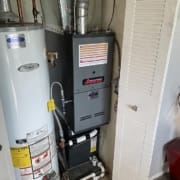
Most homeowners don’t think much about their water heater, until they wake up to a cold shower or discover a leak in the utility room. Like any major home appliance, water heaters have a limited lifespan, and as they age, they become less efficient and more prone to costly repairs.

If your water heater has been acting up, it may be trying to tell you something. Recognizing the warning signs early can help you avoid an unexpected breakdown, improve your home’s energy efficiency, and ensure your family always has reliable hot water.

Here are some of the most common signs it’s time to consider upgrading your water heater.

Your Water Heater Is More Than 10 Years Old

Most traditional tank water heaters last between 8 and 12 years with proper maintenance. Tankless water heaters often last much longer, but even they eventually require replacement.

If your water heater is approaching or past the 10-year mark, it’s worth having it inspected by a professional. Even if it still appears to be working, aging components become more likely to fail without warning.

Replacing an older unit before it breaks down can save you from emergency repairs and water damage.

You’re Running Out of Hot Water

Does someone always end up with a cold shower?

If your household has grown or your hot water needs have changed, your current water heater may no longer be keeping up.

You might notice:

  • Hot water runs out quickly.
  • Showers become lukewarm.
  • Appliances can’t run back-to-back.
  • Recovery time seems much longer than it used to.

While some of these issues can be repaired, they may also indicate it’s time for a larger or more efficient water heater that better fits your family’s needs.

Rusty or Discolored Water

If your hot water has a rusty or brown tint while your cold water remains clear, corrosion inside the water heater tank could be the cause.

Rust inside the tank often means the protective lining has begun to deteriorate. Once corrosion starts, replacement is usually the safest long-term solution.

Ignoring rust can eventually lead to tank failure and costly water damage.

Strange Noises Coming from the Tank

Have you noticed popping, banging, rumbling, or cracking sounds coming from your water heater?

Over time, minerals naturally found in Colorado’s water supply can settle at the bottom of the tank. As sediment builds up, your water heater has to work harder to heat the water.

This buildup can:

  • Reduce efficiency
  • Increase energy costs
  • Cause overheating
  • Shorten the life of the unit
  • Lead to premature failure

Routine maintenance and flushing the tank can help, but excessive sediment in an older unit often signals it’s nearing the end of its lifespan.

Water Around the Base of the Tank

Any signs of water pooling around your water heater should never be ignored.

Leaks may result from:

  • Loose plumbing connections
  • Pressure relief valve issues
  • Internal tank corrosion
  • Cracks in the tank itself

If the tank has developed a crack, replacement is almost always necessary. Waiting too long could result in significant water damage to your home.

Your Energy Bills Keep Increasing

An aging water heater becomes less efficient over time.

As components wear out and sediment accumulates, the system requires more energy to produce the same amount of hot water.

If you’ve noticed rising utility bills without a major change in your water usage, your water heater may be contributing to the increased costs.

Newer models are designed with improved insulation, more efficient burners, and advanced technology that can significantly reduce energy consumption.

Frequent Repairs

Every appliance requires occasional maintenance, but if your water heater seems to need repairs every year, replacing it may actually save you money.

Consider the cost of:

  • Multiple service calls
  • Replacement parts
  • Emergency repairs
  • Lost efficiency
  • Potential water damage

Instead of continuing to invest in an aging system, upgrading to a new unit often provides greater reliability and lower operating costs.

Inconsistent Water Temperature

Does your hot water fluctuate unexpectedly?

One shower may be perfectly comfortable while the next turns cold after only a few minutes.

Inconsistent temperatures can indicate failing heating elements, thermostat issues, sediment buildup, or internal wear.

While some repairs are possible, persistent temperature problems on an older unit often point toward replacement.

Is It Time to Consider Tankless?

If you’re replacing your current water heater, it may be worth exploring a tankless water heater.

Tankless systems offer several benefits, including:

  • Endless hot water
  • Greater energy efficiency
  • Compact design
  • Longer lifespan
  • Lower standby energy loss

They’re an excellent option for many Colorado homeowners looking to improve efficiency and reduce utility costs.

A professional can help determine whether a traditional or tankless system is the better fit for your home and budget.

Don’t Wait for an Emergency

Many homeowners wait until their water heater completely fails before thinking about replacement. Unfortunately, that’s often when repairs become more expensive and water damage becomes a real possibility.

Planning ahead gives you time to:

  • Compare replacement options
  • Choose the right size system
  • Improve energy efficiency
  • Schedule installation at a convenient time
  • Avoid the stress of an emergency breakdown

Being proactive can save both time and money.

Trust TOBIN HVAC for Water Heater Installation and Service

Reliable hot water is something every homeowner depends on. Whether your current water heater is showing signs of wear or you’ve experienced a complete breakdown, TOBIN HVAC is here to help.

Our experienced team provides professional water heater inspections, repairs, maintenance, and installations throughout Colorado. We’ll evaluate your home’s needs, explain your options, and recommend the right solution for your family and budget.

If your water heater isn’t performing like it used to, don’t wait until you’re left without hot water. Contact TOBIN HVAC today and let us help you upgrade to a dependable, energy-efficient system that keeps your home comfortable year-round.

TOBIN HVAC is one of the Most Trusted Names in Commercial HVAC in the greater Denver area for over 70 years. At TOBIN HVAC, we believe that true comfort comes without compromise. Our commitment to excellence means we never cut corners—whether it’s the quality of our products, the expertise of our technicians, or the care we put into every service. Contact us today for a free quote.


Attic Insulation Matters for Heating and Cooling Costs

When homeowners think about lowering their energy bills, they often focus on upgrading their HVAC system or adjusting the thermostat. While those are important steps, one of the most effective ways to improve comfort and reduce heating and cooling costs is often hiding right above your head, your attic.

Proper attic insulation plays a major role in how efficiently your home stays warm in the winter and cool in the summer. In Colorado, where temperatures can swing dramatically between seasons and even from day to night, having the right amount of insulation can make a noticeable difference in both your comfort and your monthly utility bills.

Here’s why attic insulation matters and how it works together with your HVAC system to keep your home comfortable year-round.

How Heat Moves Through Your Home

Heat naturally moves from warmer areas to cooler ones. During the summer, the sun heats your roof, and that heat transfers into your attic. Without enough insulation, much of that heat makes its way into your living space, forcing your air conditioner to work harder.

In the winter, the opposite happens. Warm air generated by your heating system rises and escapes through an under-insulated attic, making your furnace run longer to maintain a comfortable temperature.

The result? Higher energy bills, uneven temperatures, and unnecessary wear on your HVAC equipment.

Why Colorado Homes Face Unique Challenges

Colorado’s climate presents a unique set of conditions for homeowners. Hot summer afternoons, freezing winter nights, low humidity, and frequent temperature swings all put added stress on your home’s heating and cooling system.

An attic without sufficient insulation can quickly become one of the biggest sources of energy loss in the home. Even a high-efficiency furnace or air conditioner can’t perform at its best if conditioned air is constantly escaping through the roof.

That’s why proper insulation is an important part of creating an energy-efficient home, not just installing new HVAC equipment.

Lower Energy Bills Year-Round

One of the biggest benefits of quality attic insulation is reduced energy consumption.

Because insulation slows the transfer of heat, your heating and cooling system doesn’t have to run as often or for as long to maintain your desired temperature.

Many homeowners notice benefits such as:

  • Lower monthly utility bills
  • More consistent indoor temperatures
  • Reduced strain on HVAC equipment
  • Improved system efficiency
  • Greater year-round comfort

While every home is different, improving attic insulation is often one of the best investments you can make for long-term energy savings.

A More Comfortable Home

Have you ever noticed that some rooms are always hotter or colder than the rest of the house?

Poor attic insulation is often part of the problem.

When heat easily enters or escapes through the attic, rooms located on the upper floor frequently become uncomfortable. Bedrooms may feel too warm during summer afternoons or chilly on winter mornings.

Proper insulation helps create more even temperatures throughout the home so your HVAC system isn’t constantly trying to compensate for heat gain or heat loss.

That means fewer hot spots, fewer cold spots, and a more comfortable living environment for everyone.

Less Wear and Tear on Your HVAC System

Your furnace and air conditioner are designed to heat and cool your home, not overcome major energy loss.

When your attic lacks sufficient insulation, your HVAC system has to operate longer and cycle more frequently to keep up with demand.

Over time, that additional workload can contribute to increased wear on components such as:

  • Blower motors
  • Compressors
  • Capacitors
  • Fans
  • Electrical components

Reducing the workload placed on your HVAC equipment may help extend its lifespan while lowering the likelihood of unexpected breakdowns.

Better Indoor Comfort During Every Season

Insulation doesn’t just help during the hottest or coldest days of the year.

Because it slows heat transfer, it also helps maintain more stable indoor temperatures throughout the day and overnight.

Instead of experiencing dramatic swings between daytime heat and cool evenings, a common occurrence in Colorado, your home remains more comfortable with less effort from your heating and cooling system.

Signs Your Attic May Need More Insulation

Many homeowners have no idea how much insulation is actually in their attic.

Some common signs that your insulation may need attention include:

  • High heating or cooling bills
  • Uneven temperatures throughout the home
  • HVAC system running constantly
  • Drafty rooms
  • Hot upstairs bedrooms in summer
  • Ice dams forming on the roof during winter
  • Older insulation that appears compressed or damaged

If your home is older, it’s possible that current insulation levels no longer meet today’s recommended energy-efficiency standards.

A professional evaluation can determine whether additional insulation would benefit your home.

Insulation and HVAC Work Together

It’s important to remember that insulation and your HVAC system are partners.

Even the most advanced heating and cooling equipment can’t reach its full efficiency if conditioned air is escaping through the attic.

Likewise, excellent insulation can’t compensate for an HVAC system that is improperly sized or poorly maintained.

The best results come from treating your home’s comfort as a complete system, where insulation, airflow, ductwork, and HVAC equipment all work together to maximize efficiency and comfort.

Don’t Forget About Air Sealing

Before adding insulation, it’s also important to identify and seal air leaks around attic openings, plumbing penetrations, recessed lighting, and other gaps where conditioned air can escape.

Air sealing and insulation work hand-in-hand to improve energy efficiency and often deliver even better results than insulation alone.

A professional assessment can identify these hidden problem areas and recommend the best solutions.

Trust TOBIN HVAC to Improve Your Home’s Efficiency

Your HVAC system is one of the biggest investments in your home and protecting that investment starts with creating an energy-efficient environment for it to operate.

Whether you’re looking to reduce energy bills, improve comfort, or prepare your home for Colorado’s changing seasons, evaluating your attic insulation is a smart place to start.

At TOBIN HVAC, we help homeowners improve indoor comfort with expert heating, cooling, and energy-efficiency solutions. Our experienced team can evaluate your home’s performance, recommend ways to improve efficiency, and ensure your HVAC system is operating at its best.

If you’re ready to enjoy a more comfortable home while reducing heating and cooling costs, contact TOBIN HVAC today. We’ll help you find the right solutions to keep your home comfortable in every Colorado season.


TOBIN HVAC is one of the Most Trusted Names in Commercial HVAC in the greater Denver area for over 70 years. At TOBIN HVAC, we believe that true comfort comes without compromise. Our commitment to excellence means we never cut corners—whether it’s the quality of our products, the expertise of our technicians, or the care we put into every service. Contact us today for a free quote.


How Wildfire Smoke Impacts Your HVAC System

When most homeowners think about wildfires, they think about the visible dangers, flames, evacuations, and damage to homes and property. But even when wildfires are miles away, they can still have a significant impact on your home and your HVAC system.

In Colorado, wildfire smoke has become an increasingly common part of summer and fall. Even if your home is nowhere near an active fire, smoke particles can travel hundreds of miles and affect outdoor air quality for days or even weeks.

While many people focus on how smoke affects their health, fewer realize the strain it can place on their heating and cooling system.

At TOBIN HVAC, we believe homeowners should understand how wildfire smoke impacts indoor air quality, HVAC performance, and the steps they can take to protect both their family and their equipment.

What’s Actually in Wildfire Smoke?

Wildfire smoke contains a mixture of gases, ash, soot, and microscopic particles known as particulate matter (PM).

Some of these particles are incredibly small, small enough to bypass your body’s natural defenses and enter deep into your lungs. Unfortunately, they’re also small enough to find their way into your home’s HVAC system.

These airborne contaminants can accumulate in:

  • Air filters
  • Ductwork
  • Air handlers
  • Coils
  • Vents and registers

The longer smoke lingers in the air, the more opportunities it has to impact your home’s indoor environment.

Your HVAC Filter Works Overtime During Smoke Events

Your HVAC filter serves as the first line of defense against airborne particles entering your system.

During periods of poor air quality, that filter suddenly has much more work to do.

As smoke particles accumulate, filters can become clogged much faster than normal. A filter that might typically last several months could become heavily loaded in just a few weeks during prolonged smoke exposure.

When filters become dirty, several problems can occur:

  • Reduced airflow
  • Increased energy consumption
  • Greater strain on HVAC equipment
  • Reduced indoor comfort
  • Higher utility bills

If wildfire smoke is present in your area, it’s a good idea to inspect your filter more frequently and replace it if it appears dirty.

Smoke Can Impact Indoor Air Quality

Many homeowners assume that staying indoors completely protects them from wildfire smoke.

While indoor environments are generally safer, smoke can still find its way inside through:

  • Open doors and windows
  • Small air leaks around the home
  • Ventilation systems
  • Poorly sealed ductwork

Once smoke enters the home, your HVAC system may continuously circulate those particles throughout the living space.

This can contribute to:

  • Eye irritation
  • Allergy symptoms
  • Respiratory discomfort
  • Lingering smoke odors

Individuals with asthma, allergies, heart conditions, or respiratory illnesses may be particularly sensitive to wildfire smoke exposure.

HVAC Components Can Become Dirty More Quickly

Smoke doesn’t just affect air filters.

Fine particles can settle throughout your HVAC system over time.

One area of concern is the evaporator coil. These coils play a critical role in your air conditioning system’s ability to cool your home efficiently.

When smoke particles accumulate on coils, they can reduce heat transfer efficiency and force your system to work harder to achieve the desired temperature.

Over time, excessive buildup can contribute to:

  • Reduced cooling performance
  • Increased wear and tear
  • Higher energy costs
  • Potential maintenance issues

Regular HVAC maintenance becomes especially important during years with significant wildfire activity.

Should You Run Your HVAC System During Wildfire Smoke?

One of the most common questions we hear is whether homeowners should turn off their HVAC systems when outdoor air quality is poor.

In most cases, the answer is no.

Your HVAC system can actually help improve indoor air quality when properly maintained and equipped with quality filtration.

Instead, homeowners should focus on:

  • Keeping windows and doors closed
  • Using clean air filters
  • Running the fan when appropriate
  • Maintaining proper system operation

The goal is to reduce the amount of smoke entering the home while allowing your HVAC system to help filter indoor air.

However, every home and HVAC setup is different, so it’s worth consulting with a professional if smoke events become a recurring concern.

Upgrading Filtration Can Make a Difference

Not all HVAC filters provide the same level of protection.

Basic filters are designed primarily to protect HVAC equipment rather than significantly improve indoor air quality.

During wildfire season, homeowners may benefit from higher-efficiency filtration options that capture smaller airborne particles.

Depending on your system, potential upgrades may include:

  • Higher MERV-rated filters
  • Whole-home air purifiers
  • Electronic air cleaners
  • Air quality monitoring systems

It’s important to note that not every HVAC system can accommodate highly restrictive filters. Installing the wrong filter can actually reduce airflow and negatively impact performance.

That’s why professional guidance is recommended before making filtration upgrades.

Signs Smoke May Be Affecting Your HVAC System

Keep an eye out for these warning signs during wildfire season:

  • Increased dust inside the home
  • Lingering smoke odors
  • Reduced airflow from vents
  • Higher energy bills
  • Excessively dirty filters
  • Difficulty maintaining indoor temperatures

If you notice any of these symptoms, it may be time to schedule a system inspection.

Protecting Your Home During Wildfire Season

While you can’t control outdoor air quality, you can take steps to protect your indoor environment.

A few simple actions can make a significant difference:

  • Change filters regularly
  • Keep doors and windows closed during smoke events
  • Schedule annual HVAC maintenance
  • Consider indoor air quality upgrades
  • Seal air leaks around your home
  • Monitor local air quality reports

Proactive maintenance helps ensure your HVAC system is ready to perform when you need it most.

Breathe Easier with Help from TOBIN HVAC

Wildfire smoke isn’t just an outdoor problem. It can affect your home’s comfort, indoor air quality, and HVAC system performance long after the smoke clears.

At TOBIN HVAC, we help homeowners improve indoor air quality, maintain efficient HVAC operation, and identify solutions that keep families comfortable throughout Colorado’s changing seasons.

If you’re concerned about wildfire smoke, dirty air filters, or indoor air quality, our team is here to help. Together, we can make sure your HVAC system is doing its job, keeping your home comfortable and helping you breathe a little easier.


TOBIN HVAC is one of the Most Trusted Names in Commercial HVAC in the greater Denver area for over 70 years. At TOBIN HVAC, we believe that true comfort comes without compromise. Our commitment to excellence means we never cut corners—whether it’s the quality of our products, the expertise of our technicians, or the care we put into every service. Contact us today for a free quote.


The Best Thermostat Setting for Summer

When the summer heat arrives, most homeowners face the same challenge: how do you keep your home comfortable without sending your energy bills through the roof?

It’s tempting to crank the thermostat down to ice-cold temperatures during the hottest months of the year, but doing so can actually increase energy costs, put unnecessary strain on your HVAC system, and still leave your home feeling uncomfortable in the long run.

At Tobin HVAC, one of the most common questions we hear during warmer months is: “What temperature should I keep my thermostat set at in the summer?”

The answer depends on a few factors, including comfort preferences, humidity levels, and whether you’re home during the day — but there are recommended temperature ranges that help balance comfort and energy efficiency.

What Is the Recommended Summer Thermostat Setting?

According to energy experts, the ideal thermostat setting during warmer months is typically around 78 degrees Fahrenheit when you’re home and awake.

While 78 degrees may sound warmer than some homeowners prefer initially, many people find it surprisingly comfortable once they adjust — especially when paired with ceiling fans, proper airflow, and humidity control.

When you’re away from home, raising the thermostat by 7–10 degrees can lead to significant energy savings without negatively impacting your comfort when you return.

A common energy-efficient schedule looks like this:

  • 78°F when home
  • 82–85°F when away
  • A slightly cooler setting at night if needed for sleeping comfort

Even increasing your thermostat by just a few degrees can noticeably reduce cooling costs during the summer months.

Why Setting the Thermostat Too Low Costs More

Many homeowners believe setting the thermostat extremely low cools the house faster. In reality, your air conditioner works at the same speed regardless of the temperature setting.

Lowering your thermostat to 68°F or lower doesn’t cool your home more quickly,  it simply forces your HVAC system to run much longer, increasing:

  • Energy usage
  • Utility bills
  • Wear and tear on equipment
  • Risk of system breakdowns

Your air conditioner’s job is to maintain a target temperature, not accelerate cooling speed. The farther your thermostat setting is from the outdoor temperature, the harder your system has to work.

During extreme summer heat, this extra strain can shorten the lifespan of your HVAC equipment and increase the likelihood of costly repairs.

Humidity Plays a Bigger Role Than You Think

One reason some homes feel uncomfortable even at lower temperatures is humidity.

High humidity levels can make your home feel sticky and warmer than it actually is. A properly functioning air conditioning system helps remove moisture from the air as it cools, improving overall comfort.

In many cases, improving humidity control allows homeowners to keep the thermostat a few degrees higher while still feeling comfortable.

Signs your home may have humidity issues include:

  • Sticky or damp feeling indoors
  • Condensation on windows
  • Musty odors
  • Uneven cooling
  • Feeling uncomfortable even with the AC running constantly

If your home struggles with humidity, it may be worth having your system inspected to ensure it’s properly sized and operating efficiently.

Smart Thermostats Can Help Reduce Costs

One of the easiest ways to improve summer energy efficiency is by installing a smart thermostat.

Smart thermostats automatically adjust temperatures based on your schedule, helping reduce unnecessary cooling when nobody is home. Many models also learn your habits over time and optimize energy use automatically.

Benefits of smart thermostats include:

  • Lower monthly energy bills
  • Remote control from your phone
  • Automated schedules
  • Energy usage tracking
  • Improved comfort consistency

At Tobin HVAC, we often recommend smart thermostat upgrades for homeowners looking to maximize both comfort and efficiency during the summer months.

Additional Tips to Stay Cool Without Overworking Your AC

Your thermostat setting is only one part of the equation. There are several other ways to keep your home cooler while reducing strain on your HVAC system.

Use Ceiling Fans

Ceiling fans improve airflow and create a wind-chill effect that helps rooms feel cooler. This often allows homeowners to raise the thermostat a few degrees without sacrificing comfort.

Keep Blinds and Curtains Closed

Direct sunlight can significantly heat up your home during the day. Closing blinds and curtains during peak sunlight hours helps reduce indoor temperatures naturally.

Change Air Filters Regularly

Dirty air filters restrict airflow and force your HVAC system to work harder. During summer, filters should typically be checked monthly and replaced as needed.

Avoid Heat-Producing Appliances During Peak Hours

Ovens, dryers, and dishwashers all generate heat. Running these appliances during cooler evening hours can help reduce indoor temperatures.

Schedule HVAC Maintenance

Routine maintenance helps ensure your system is operating at peak efficiency. A neglected system often works harder, cools less effectively, and costs more to operate.

Finding the Right Balance for Your Home

Every home and family is different. Some homeowners may prefer slightly cooler temperatures, while others prioritize energy savings. The goal is finding a balance that keeps your household comfortable without unnecessarily overworking your HVAC system.

If your home never seems comfortable, your energy bills are unusually high, or your AC struggles to keep up during hot weather, it may be time to have your system evaluated by a professional.

At Tobin HVAC, we help homeowners improve comfort, lower energy costs, and keep their systems running efficiently all summer long.

Trust Tobin HVAC for Summer Comfort

The right thermostat setting can make a major difference in both your comfort and your utility bills during warmer months. Small adjustments, combined with proper HVAC maintenance and airflow improvements, can lead to significant long-term savings.

Whether you need seasonal maintenance, thermostat upgrades, AC repairs, or a complete system replacement, Tobin HVAC is here to help keep your home cool, comfortable, and energy efficient all summer long.

TOBIN HVAC is one of the Most Trusted Names in Commercial HVAC in the greater Denver area for over 70 years. At TOBIN HVAC, we believe that true comfort comes without compromise. Our commitment to excellence means we never cut corners—whether it’s the quality of our products, the expertise of our technicians, or the care we put into every service. Contact us today for a free quote.

Are Dirty Air Filters Impacting Your Energy Bills?

When homeowners think about rising energy bills, they often assume the problem is something major, an aging HVAC system, extreme weather, or a costly repair waiting to happen.

But sometimes, the issue is much simpler.

One of the most overlooked reasons for reduced HVAC efficiency and higher utility costs is something small, inexpensive, and easy to replace: your air filter.

A dirty air filter may not seem like a big deal, but over time it can have a noticeable impact on your home’s comfort, indoor air quality, and monthly energy bills.

If it’s been a while since you checked yours, now is a good time.

What Does an Air Filter Actually Do?

Your HVAC air filter plays an important role in your home’s heating and cooling system.

Its job is to trap airborne particles before they move through your system and circulate throughout your home. Depending on your environment, that can include:

  • Dust
  • Pet dander
  • Pollen
  • Dirt
  • Lint
  • Mold spores
  • Other airborne debris

This helps protect both your indoor air quality and your HVAC equipment.

But as the filter captures more and more particles, it becomes clogged. And when that happens, airflow starts to suffer.

Why Dirty Filters Increase Energy Use

Your HVAC system is designed to move air efficiently through your home.

When the air filter is dirty, it restricts airflow. That means your heating or cooling system has to work harder to pull air through the filter and maintain your desired indoor temperature.

That extra strain can lead to:

  • Longer heating or cooling cycles
  • Reduced airflow from vents
  • Uneven temperatures throughout the home
  • Increased wear on system components
  • Higher energy consumption

In short, when airflow is blocked, your system has to use more energy to do the same job.

And that can absolutely show up on your utility bill.

It’s a Small Problem That Can Lead to Bigger Ones

A dirty air filter doesn’t just impact efficiency, it can also contribute to bigger HVAC issues over time.

When airflow is restricted, it puts added stress on key parts of your system, including the blower motor and other internal components.

Depending on the season, a clogged filter can also lead to issues like:

In Summer:

  • Reduced cooling performance
  • Frozen evaporator coils
  • Weak airflow
  • Longer AC run times

In Winter:

  • Reduced heating efficiency
  • Overheating in the furnace
  • System cycling problems
  • Poor airflow and comfort

What starts as a simple maintenance issue can eventually lead to preventable wear, breakdowns, or service calls.

How Often Should You Change Your Air Filter?

There’s no one-size-fits-all answer, but in general, most homeowners should check their air filter every 30 to 90 days.

How often you need to replace it depends on several factors, including:

  • Whether you have pets
  • Whether anyone in the home has allergies or asthma
  • How often your system runs
  • The type of filter you use
  • Indoor dust levels
  • Seasonal conditions

For example, homes with pets or high system usage may need more frequent filter changes. During peak heating and cooling seasons, filters often get dirty faster.

A good rule of thumb: if the filter looks visibly dirty, it’s probably time to replace it.

Signs Your Air Filter May Be Affecting Your HVAC Performance

Not sure if your filter is causing problems? There are a few signs homeowners commonly notice when a filter is overdue for replacement.

Watch for:

  • Higher-than-usual energy bills
  • Weak airflow from vents
  • Rooms that feel stuffy or unevenly heated/cooled
  • More dust around the house
  • HVAC system running longer than normal
  • Increased allergy symptoms indoors

These issues don’t always point to the air filter alone, but it’s one of the easiest things to check first.

Dirty Filters Can Affect Indoor Air Quality Too

Energy efficiency isn’t the only concern.

A dirty or overloaded air filter may become less effective at trapping airborne particles, which means more dust and allergens can circulate through your home.

That can impact overall comfort, especially for households dealing with:

  • Seasonal allergies
  • Asthma
  • Respiratory sensitivities
  • Pets that shed

While changing your filter won’t solve every indoor air quality issue, it’s one of the simplest ways to support a cleaner and healthier indoor environment.

Not All Air Filters Are the Same

Another thing many homeowners don’t realize is that not all air filters perform the same way.

Filters come in different sizes, materials, and MERV ratings, which measure how effectively they capture particles.

A higher-rated filter can offer better filtration, but if it’s not the right fit for your HVAC system, it can also reduce airflow if your equipment isn’t designed for it.

That’s why it’s important to use the right type of filter for your specific system and home needs.

If you’re unsure which filter is best, your HVAC technician can help guide you toward the right option.

Filter Changes Are Simple, But They Matter

Changing an air filter may feel like a small maintenance task, but it has a real impact on system performance.

It’s one of the easiest and most affordable ways to:

  • Improve HVAC efficiency
  • Support better airflow
  • Reduce strain on your equipment
  • Help control energy costs
  • Improve indoor comfort

And when combined with regular HVAC maintenance, it can help your system operate more reliably year-round.

The Bottom Line

Yes, dirty air filters can absolutely impact your energy bills.

When airflow is restricted, your HVAC system has to work harder, run longer, and use more energy to keep your home comfortable. Over time, that can mean higher utility costs and unnecessary wear on your system.

The good news is that this is one of the easiest HVAC issues to stay ahead of.

At TOBIN HVAC, we help homeowners keep their systems running efficiently with trusted maintenance, expert service, and practical guidance that helps prevent small issues from turning into bigger problems.

If your system isn’t keeping up, or if it’s been a while since your last maintenance visit, we’re here to help.

Because sometimes, better comfort starts with something as simple as a clean filter.


TOBIN HVAC is one of the Most Trusted Names in Commercial HVAC in the greater Denver area for over 70 years. At TOBIN HVAC, we believe that true comfort comes without compromise. Our commitment to excellence means we never cut corners—whether it’s the quality of our products, the expertise of our technicians, or the care we put into every service. Contact us today for a free quote.


How Long Should Your HVAC System Really Last?

When homeowners invest in a heating and cooling system, one of the first questions they ask is simple: How long will it last?

An HVAC system is one of the most important—and expensive—systems in your home. It keeps your family comfortable through the hottest summer days and the coldest winter nights. Naturally, homeowners want to know how many years they can expect their system to perform before replacement becomes necessary.

The truth is that HVAC lifespan can vary significantly depending on several factors. However, one of the biggest influences on how long your system lasts is something many homeowners overlook: regular maintenance.

At Tobin HVAC, we often tell customers that the difference between a system lasting 10 years and lasting 18–20 years often comes down to how well it has been maintained.

Average Lifespan of HVAC Systems

Most HVAC systems are designed to operate reliably for many years, but they are mechanical systems with components that experience wear and tear over time.

Here are some typical lifespan ranges for common HVAC equipment:

  • Central air conditioners: 12–15 years
  • Furnaces: 15–20 years
  • Heat pumps: 10–15 years
  • Boilers: 15–20 years

These estimates assume that the system has been properly installed and regularly maintained. Without proper maintenance, these timelines can shrink significantly.

In fact, many HVAC systems fail years earlier than expected simply because small issues were never addressed.

Why HVAC Systems Wear Out

Your HVAC system works hard throughout the year. During extreme weather, it may run for hours at a time to maintain a comfortable indoor temperature.

Over time, several things can affect system performance and longevity:

  • Dust and debris buildup
  • Dirty air filters
  • Electrical component wear
  • Refrigerant level issues
  • Poor airflow
  • Overworking the system due to neglected maintenance

When these issues go unnoticed, they place extra stress on the system’s components. Motors, compressors, and fans are forced to work harder than necessary, which accelerates wear and increases the likelihood of breakdowns.

Eventually, small problems turn into costly repairs—or even premature system failure.

The Role of Preventive Maintenance

This is where maintenance plans make a huge difference.

Regular HVAC maintenance helps ensure that your system operates efficiently and catches small issues before they turn into major problems. Think of it the same way you would think about maintaining a car. Oil changes and inspections keep a vehicle running longer and more reliably.

HVAC maintenance works the same way.

During a professional maintenance visit, technicians typically perform tasks such as:

  • Inspecting electrical connections
  • Cleaning coils and internal components
  • Checking refrigerant levels
  • Testing system performance
  • Replacing or cleaning air filters
  • Ensuring proper airflow throughout the system

These routine inspections allow technicians to spot potential issues early and correct them before they damage key components.

Extending the Life of Your HVAC System

One of the biggest advantages of enrolling in an HVAC maintenance plan is the potential to extend the life of your system.

When systems are properly maintained, they experience less strain and operate more efficiently. This reduces wear on critical components and helps the system run closer to its original design specifications.

In many cases, homeowners who follow a consistent maintenance schedule can extend the life of their HVAC systems by several years.

That means:

  • Fewer unexpected breakdowns
  • Lower repair costs
  • Delaying the need for an expensive replacement

Considering that a new HVAC system can represent a major investment, extending the life of your current system even by a few years can provide significant savings.

Improved Efficiency and Lower Energy Bills

Maintenance does more than just extend system life, it also improves efficiency.

When HVAC components are clean and functioning properly, the system does not have to work as hard to maintain indoor temperatures. This can result in noticeable energy savings over time.

Dirty coils, clogged filters, and restricted airflow force systems to run longer and consume more energy. Regular service keeps everything operating at peak performance, helping homeowners reduce monthly utility costs.

In other words, maintenance plans help your HVAC system last longer while also running more efficiently.

Better Comfort and Indoor Air Quality

Another benefit of regular maintenance is improved comfort and indoor air quality.

During maintenance visits, technicians inspect airflow, check duct performance, and replace filters that may be affecting air circulation. These steps help ensure that heating and cooling are distributed evenly throughout the home.

Clean systems also help reduce dust, allergens, and airborne particles circulating through your HVAC system.

For many homeowners, the result is not only a longer-lasting system but also a healthier and more comfortable living environment.

Avoiding Unexpected Breakdowns

There is never a convenient time for an HVAC system to fail. Unfortunately, breakdowns often occur during the times when systems are working hardest, such as the hottest days of summer or the coldest nights of winter.

Routine maintenance dramatically reduces the likelihood of these unexpected failures. By identifying worn components and performance issues early, technicians can address them before they lead to system shutdowns.

This proactive approach helps homeowners avoid emergency repairs and the stress that comes with sudden system failures.

Protecting Your HVAC Investment

Your HVAC system is a major investment in your home. Protecting that investment requires more than just installing the equipment, it requires ongoing care.

Maintenance plans provide homeowners with a structured approach to keeping their systems running smoothly year after year. With scheduled inspections, professional servicing, and preventative care, HVAC systems can continue delivering reliable performance far longer than neglected systems.

At Tobin HVAC, we believe that regular maintenance is one of the smartest ways homeowners can protect their comfort and extend the life of their heating and cooling systems.

Because when your HVAC system is properly cared for, it doesn’t just last longer, it performs better, costs less to operate, and keeps your home comfortable through every season.

TOBIN HVAC is one of the Most Trusted Names in Commercial HVAC in the greater Denver area for over 70 years. At TOBIN HVAC, we believe that true comfort comes without compromise. Our commitment to excellence means we never cut corners—whether it’s the quality of our products, the expertise of our technicians, or the care we put into every service. Contact us today for a free quote.Top of Form


Bottom of Form


Signs Your Furnace Might Need an Upgrade

Your furnace plays a critical role in keeping your home comfortable, safe, and energy efficient during the colder months. But like any mechanical system, furnaces don’t last forever. While regular maintenance can extend the life of your unit, there comes a point when repairs are no longer the most cost-effective or reliable option.

Knowing the warning signs that your furnace may need an upgrade can help you avoid unexpected breakdowns, rising energy bills, and uncomfortable winter nights. Below are some of the most common indicators that it may be time to consider replacing your furnace.

Your Furnace Is 15–20 Years Old (or Older)

Age is one of the biggest factors when determining whether a furnace should be replaced. Most furnaces have a lifespan of about 15 to 20 years, depending on usage, maintenance, and overall condition.

If your furnace is approaching or exceeding this range, it’s likely operating far less efficiently than newer models. Even if it’s still working, older systems are more prone to breakdowns and may struggle to keep up during extreme cold. Upgrading to a modern, high-efficiency furnace can significantly improve comfort and reliability.

Rising Energy Bills with No Clear Explanation

Have you noticed your heating bills increasing year after year, even though your usage habits haven’t changed? An aging furnace often has to work harder to produce the same amount of heat, leading to higher energy consumption.

Newer furnaces are designed with advanced efficiency technology that helps reduce fuel usage and lower monthly utility costs. If your furnace is costing more to run than it should, an upgrade may pay for itself over time through energy savings.

Frequent Repairs and Service Calls

Occasional maintenance is normal, but frequent repairs are a red flag. If you’re calling for service multiple times a season or replacing major components regularly, repair costs can quickly add up.

A good rule of thumb is this: if the cost of repairs is approaching or exceeding the value of the furnace itself, replacement is often the smarter investment. A new furnace provides peace of mind, fewer disruptions, and predictable performance when you need it most.

Uneven Heating Throughout Your Home

Do some rooms feel warm while others stay cold, no matter how high you turn up the thermostat? Uneven heating is a common sign that your furnace is struggling to distribute air properly.

This can be caused by aging components, reduced airflow, or declining performance. While ductwork issues can also play a role, an older furnace may no longer be capable of maintaining consistent temperatures throughout your home. Upgrading your system can help restore balanced comfort room to room.

Strange Noises Coming from the Furnace

Furnaces are not silent, but loud or unusual noises should never be ignored. Banging, rattling, squealing, or booming sounds can indicate worn parts, airflow problems, or structural issues within the system.

As furnaces age, internal components loosen or deteriorate, increasing the likelihood of mechanical failure. If your furnace has become noticeably louder or sounds different than it used to, it may be nearing the end of its useful life.

Your Furnace Is Constantly Cycling On and Off

Short cycling, when a furnace turns on and off frequently it is more than just annoying. It’s inefficient, increases wear and tear, and often signals that the system is no longer operating correctly.

Short cycling can be caused by an aging furnace that struggles to regulate temperature properly. Over time, this constant stopping and starting can lead to premature failure and higher energy costs.

Poor Indoor Air Quality

Your furnace plays a role in maintaining indoor air quality by circulating and filtering air throughout your home. Older systems may struggle to filter dust, allergens, and pollutants effectively.

If you’ve noticed increased dust buildup, dry air, or worsening allergy symptoms during heating season, your furnace may not be performing as it should. Newer systems often pair well with advanced filtration and humidity control options that improve overall air quality and comfort.

Yellow Pilot Light or Safety Concerns

A healthy furnace pilot light should burn blue. A yellow or flickering flame can indicate improper combustion or a potential carbon monoxide risk. This is a serious safety concern that should be addressed immediately.

If your furnace is showing signs of combustion issues or triggering carbon monoxide alarms, replacement may be the safest option to protect your home and family.

Your Furnace Can’t Keep Up with Cold Weather

If your furnace runs constantly but still can’t maintain a comfortable temperature, it’s a strong sign that the system is no longer capable of meeting your home’s heating demands.

This is especially common during extremely cold weather, when older furnaces are pushed beyond their limits. A properly sized, high-efficiency furnace upgrade ensures reliable performance even on the coldest days.

Why Homeowners Trust Tobin HVAC

At TOBIN HVAC, we understand that replacing a furnace is a significant decision. Our experienced technicians take the time to evaluate your current system, discuss your comfort concerns, and recommend solutions that make sense for your home and budget.

We believe in honest guidance, quality workmanship, and long-term comfort — not unnecessary replacements. When an upgrade is the best option, we help homeowners choose energy-efficient systems that deliver reliable heat, lower operating costs, and peace of mind.

Final Thoughts: Don’t Wait for a Breakdown

Waiting until your furnace completely fails often means emergency repairs, limited options, and added stress, usually during the coldest part of the year. Recognizing the signs early gives you time to plan, compare options, and make a confident decision.

If you’re experiencing any of these warning signs, it may be time to consider a furnace upgrade.

Contact TOBIN HVAC today to schedule an inspection and find out whether upgrading your furnace could improve comfort, efficiency, and reliability in your home.


TOBIN HVAC is one of the Most Trusted Names in Commercial HVAC in the greater Denver area for over 70 years. At TOBIN HVAC, we believe that true comfort comes without compromise. Our commitment to excellence means we never cut corners—whether it’s the quality of our products, the expertise of our technicians, or the care we put into every service. Contact us today for a free quote.

Is Your Ductwork Costing You?

When homeowners think about their heating and cooling systems, they usually focus on the obvious components, the furnace, air conditioner, or thermostat. But there’s a critical part of your HVAC system that often goes unnoticed: your ductwork.

Out of sight doesn’t mean out of impact. In fact, hidden issues in your ducts could be quietly driving up your energy bills, reducing comfort, and putting unnecessary strain on your system. At TOBIN HVAC, we regularly see how neglected ductwork can cost homeowners far more than they realize.

Here’s what you may not know about your ductwork and why regular maintenance matters.

Your Ductwork Is the Highway of Your HVAC System

Ductwork is responsible for delivering heated and cooled air throughout your home. If that airflow is restricted, leaking, or contaminated, your HVAC system has to work harder to maintain comfortable temperatures.

Even a high-efficiency system can underperform if the ductwork isn’t in good condition.

Common duct issues include:

  • Air leaks and gaps
  • Poor insulation
  • Dust and debris buildup
  • Improper sizing or layout
  • Loose or disconnected sections

These problems don’t just reduce comfort, they increase operating cost

Leaky Ducts = Higher Energy Bills

One of the biggest hidden costs of neglected ductwork is air loss. Studies show that leaky ducts can lose up to 30% of conditioned air before it ever reaches your living space.

That means:

  • Your furnace or AC runs longer than necessary
  • Energy usage increases
  • Monthly utility bills rise

For homeowners trying to keep energy costs under control, duct sealing and maintenance can be one of the most cost-effective improvements available.

Professional HVAC companies can inspect duct systems to identify leaks and inefficiencies that homeowners can’t see on their own.

Uneven Temperatures Are Often a Ductwork Problem

Do some rooms in your home feel too hot while others are too cold? Many people assume this is an equipment issue, but uneven temperatures are frequently caused by ductwork problems.

Poor airflow may result from:

  • Blocked or collapsed ducts
  • Improper duct design
  • Dirty or restricted air passages

Regular HVAC maintenance that includes duct inspections helps ensure consistent airflow throughout your home, improving comfort in every room.

Dirty Ducts Can Impact Indoor Air Quality

Over time, dust, allergens, pet dander, and debris can accumulate inside your ductwork. Every time your system runs, those particles circulate through your home.

This can contribute to:

  • Increased allergy symptoms
  • Respiratory irritation
  • Poor indoor air quality
  • Excess dust buildup

Routine duct inspections and cleanings, performed by a qualified HVAC company, can help improve air quality and create a healthier living environment, especially for households with allergies, asthma, or pets.

Strain on Your HVAC System Shortens Its Lifespan

When airflow is restricted or air is lost through leaks, your HVAC system must work harder to maintain set temperatures. That extra strain accelerates wear and tear on critical components.

Over time, this can lead to:

  • More frequent repairs
  • Reduced system efficiency
  • Premature system failure

Regular ductwork maintenance helps protect your investment by allowing your heating and cooling system to operate as designed.

Poorly Insulated Ducts Waste Energy

Ductwork that runs through unconditioned spaces, like attics, crawlspaces, or basements, needs proper insulation. Without it, heated or cooled air loses temperature before reaching your living areas.

This leads to:

  • Longer system run times
  • Increased energy consumption
  • Reduced comfort

A professional HVAC contractor can assess insulation levels and recommend improvements that boost efficiency and lower operating costs.

Why Regular Ductwork Maintenance Matters

Just like your furnace or air conditioner, ductwork requires ongoing attention. Unfortunately, it’s often overlooked during routine service visits.

Comprehensive HVAC maintenance should include:

  • Visual inspection of duct connections
  • Airflow testing
  • Checking for leaks or damage
  • Evaluating insulation and cleanliness

Regular maintenance allows HVAC companies to catch small issues before they turn into expensive problems.

How Often Should Ductwork Be Inspected?

Most homeowners benefit from a ductwork inspection every few years, or sooner if they notice:

  • Rising energy bills
  • Persistent dust or odors
  • Uneven heating or cooling
  • Reduced system performance

If your home is older or has undergone renovations, inspections are especially important to ensure the duct system still meets your needs.

The TOBIN HVAC Difference

At TOBIN HVAC, we understand that a comfortable home starts with a properly functioning system, from the equipment you see to the ductwork you don’t. Our experienced technicians take a whole-system approach, ensuring your heating and cooling system operates efficiently, safely, and reliably.

Whether you’re scheduling routine HVAC maintenance or troubleshooting comfort issues, we help uncover hidden inefficiencies that could be costing you money month after month.

Your ductwork plays a bigger role in your comfort, air quality, and energy costs than most homeowners realize. Ignoring it can lead to higher bills, uneven temperatures, and unnecessary strain on your HVAC system.

Regular inspections and maintenance from a trusted HVAC company can uncover hidden issues, improve efficiency, and protect your investment for years to come.

If you suspect your ductwork may be costing you more than it should, TOBIN HVAC is here to help, because comfort shouldn’t come with surprises.


TOBIN HVAC is one of the Most Trusted Names in Commercial HVAC in the greater Denver area for over 70 years. At TOBIN HVAC, we believe that true comfort comes without compromise. Our commitment to excellence means we never cut corners—whether it’s the quality of our products, the expertise of our technicians, or the care we put into every service. Contact us today for a free quote.

Secret Link